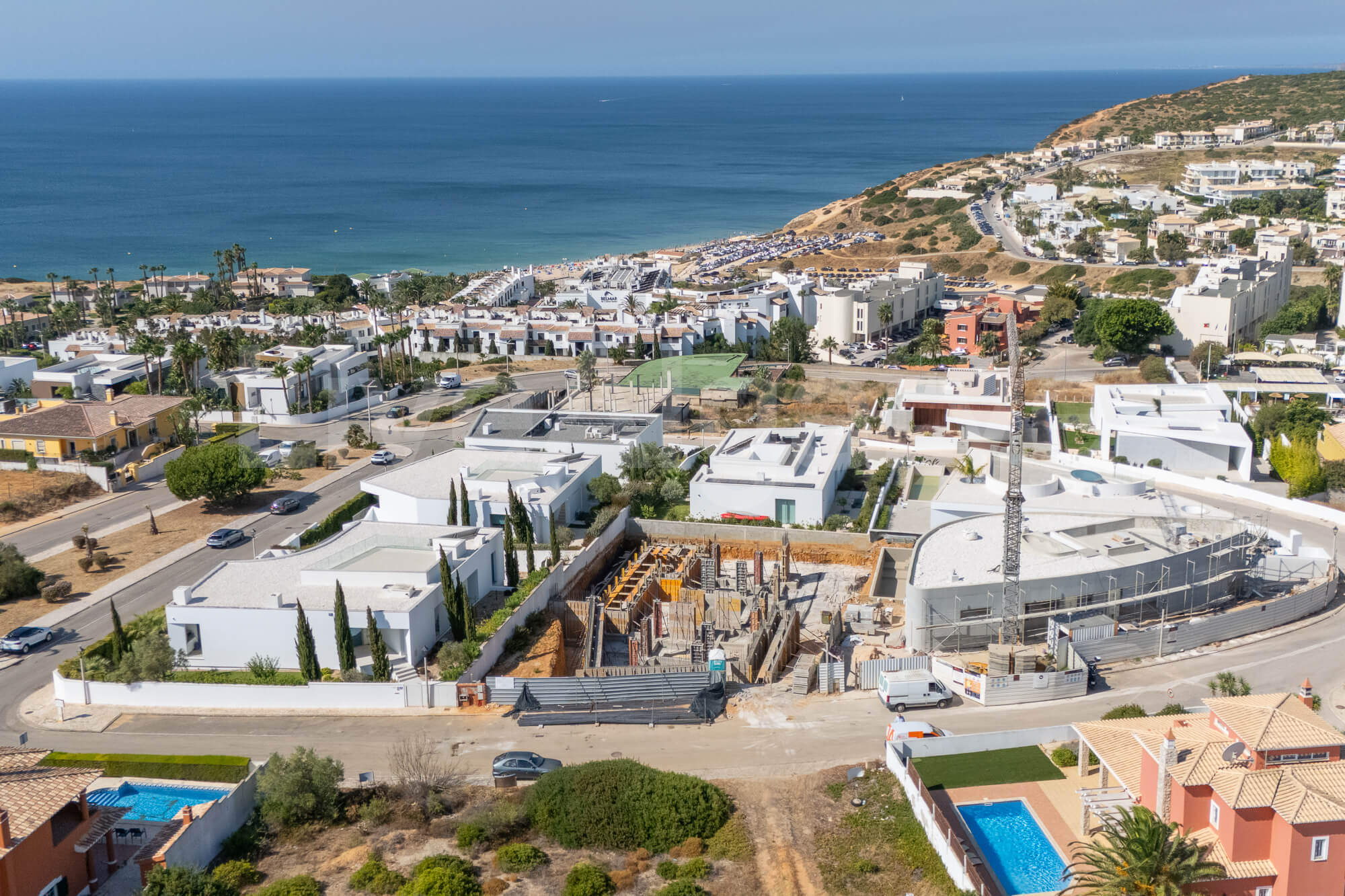
How Portugal’s Role in Ocean Conservation Enhances Algarve Coastal Property Appeal
|
Portugal’s ocean conservation leadership is strengthening the long-term appeal of coastal property in Lagos and the Algarve, adding environmental prestige to already scarce frontline locations. As Portugal expands marine protection, cleaner waters and safeguarded coastlines enhance both lifestyle quality and investment security. |
|
By LiveAlgarve on 13th February 2026 - 4 m. reading time Today another layer of value is emerging for Algarve property for sale: environmental stewardship. Portugal’s role in ocean conservation is shaping perceptions of the coastline, reinforcing long‑term lifestyle desirability and strengthening the investment case for properties close to protected seas. This article examines how global leadership in marine protection, community‑driven conservation and science‑based management are enhancing the appeal of coastal towns such as Lagos and the wider region, making them more attractive to buyers seeking sustainable, future‑proof locations. Marine Protection and Coastal ScarcityMost coastal destinations have development sprawl. Lagos does not. Frontline coastal areas in The Algarve are geographically constrained by protected natural cliffs, environmentally restricted dunes and low‑density zoning. This means that frontline villas don’t get replaced, new supply is minimal and existing premium homes sit in permanently scarce locations. Now, conservation measures add another layer of scarcity. Portugal is expanding the share of its maritime area under protection. New marine reserves and protected zones will bring the total protected ocean area to about 30 % ahead of the European Union’s 2030 target, enhancing biodiversity and long‑term ecological health. These protections signal a commitment to safeguarding the ocean environment that surrounds the Algarve’s coastline. In the Algarve itself, the Algarve Reef, Pedra do Valado Natural Marine Park, was officially designated in 2024. It represents the first marine protected area of community interest in continental Portugal, combining scientific research, local engagement and conservation to protect one of the region’s richest coastal ecosystems. Such protected areas enhance the appeal of coastal living. Buyers equate well‑managed marine ecosystems with cleaner waters, healthier beaches and more stable natural environments – features that directly support lifestyle quality and long‑term property value. Why Conservation Matters for Coastal PropertyAt its core, ocean conservation is about resilience. Healthy marine ecosystems regulate coastal erosion, support fisheries and sustain biodiversity. These natural services underpin the very environmental qualities that draw people to live by the sea: clean beaches, rich underwater life, calm waters for sailing and scenic views that remain unspoilt by industrial activity. Scientific management and monitoring add confidence for buyers. For example, the first major scientific campaign in the Pedra do Valado Marine Natural Park involved over 30 researchers using advanced techniques such as underwater recordings and environmental sampling to establish a robust baseline for future conservation management. Proactive protection ensures that coastal waters remain vibrant and undisturbed by unchecked human impact. From a real estate perspective, this translates into a perception of future‑proof locations – places where natural beauty is sustained and where tourism, recreation and community life can flourish without degradation. For buyers considering Western Algarve property for sale, this translates into an environment where natural assets are valued and conserved. Clean seas and protected habitats enhance lifestyle quality and strengthen long‑term demand for nearby homes. Western AlgarveThe Algarve Reef Marine Natural Park and the Sudoeste Alentejano and Costa Vicentina Natural Park illustrate how conservation efforts span the region. Both areas are biodiversity hotspots, underpinning rich marine life and green coastal tourism. Properties in these regions benefit from:
This ecological context reinforces why buyers looking at exclusive Algarve villas close to protected coastal zones are often willing to pay premium prices. Scarcity of unspoilt coastal space, combined with conservation status, makes these properties rare. Micro‑Location and Conservation ValueJust as micro‑location determines the difference between two high‑value homes in Lagos, the interplay between proximity to protected marine areas and property value is tangible. Close to protected reefs, nature reserves and clean ocean waters, properties can demand higher buyer interest and retain value through market cycles. For coastal buyers, the specific angle of view, sun exposure, distance from protected coastal features, and ease of access to natural attractions matter. These are not arbitrary preferences; they reflect a growing awareness that environmental quality influences lifestyle and investment success alike. Sustainability as a Value MultiplierPortugal’s marine conservation leadership also aligns with broader sustainability goals. The country is pursuing ambitious targets to classify a significant portion of its maritime area as protected by 2030, in line with global biodiversity goals under frameworks such as the Kunming‑Montreal Global Biodiversity Framework. This international positioning enhances the Algarve’s reputation among environmentally conscious buyers. Many global investors and retirees now prioritise sustainable destinations - places where environmental stewardship is a priority and where long‑term quality of life is less likely to be compromised by ecological degradation. For properties in Algarve, Portugal, this means coastal homes are increasingly seen not just as places to live, but as investments in sustainable living and preservation of natural capital. Conservation, Tourism, and Economic ResilienceMarine protected areas are not just ecological assets; they are economic ones. Protected reefs and coastal parks support fishing, recreation, boat tours, and diving activities. In the Algarve Reef Marine Natural Park alone, maritime tourism and fishing support over 1,600 direct jobs and have an economic impact of more than €48 million per year. Tourist demand gravitates to destinations that offer a combination of natural beauty and environmental care. For buyers of Algarve property for sale, this means coastal homes near protected marine environments are more attractive both as lifestyle locations and as potential holiday rental assets. Clean beaches and thriving ecosystems are central to the region’s brand. This fusion of environmental protection and economic activity illustrates how safeguarding the ocean indirectly stabilises property demand, sustaining seasonal and year‑round markets alike. The Rarity Factor and Environmental QualityIn the Algarve, scarcity is not just about geography; it’s about quality. Protected coastal ecosystems, combined with limited developable land, create a rare category of property. This is especially true for exclusive Algarve villas near unspoilt shores and well‑managed marine reserves. A property’s appeal now includes:
These considerations are increasingly part of how luxury buyers evaluate Western Algarve property. ConclusionPortugal’s leadership in ocean conservation enhances coastal property appeal in real and enduring ways. Protection of marine ecosystems, community participation in conservation planning, and alignment with global biodiversity goals build confidence among buyers seeking sustainable, future‑proof settings. In the Algarve, where Algarve property is already defined by scarcity and location, ocean conservation adds a new dimension of desirability. Whether you are considering exclusive villas or property, proximity to healthy marine environments and protected coastal zones strengthens both lifestyle appeal and investment logic. Environmental stewardship supports robust tourism, healthy ecosystems and vibrant coastal communities. In a world where quality of life and sustainability increasingly guide buyer decisions, Portugal’s role in marine protection ensures that its coastal gems remain rare, respected, and resilient. FAQsQ1: How does Portugal’s marine conservation affect Algarve property values? Q2: Are properties near marine protected areas more expensive? Q3: Can conservation status influence rental potential? Q4: How can buyers verify conservation status of a coastal property? Q5: Does sustainability affect luxury property design? Q6: Are these conservation benefits long-term? |